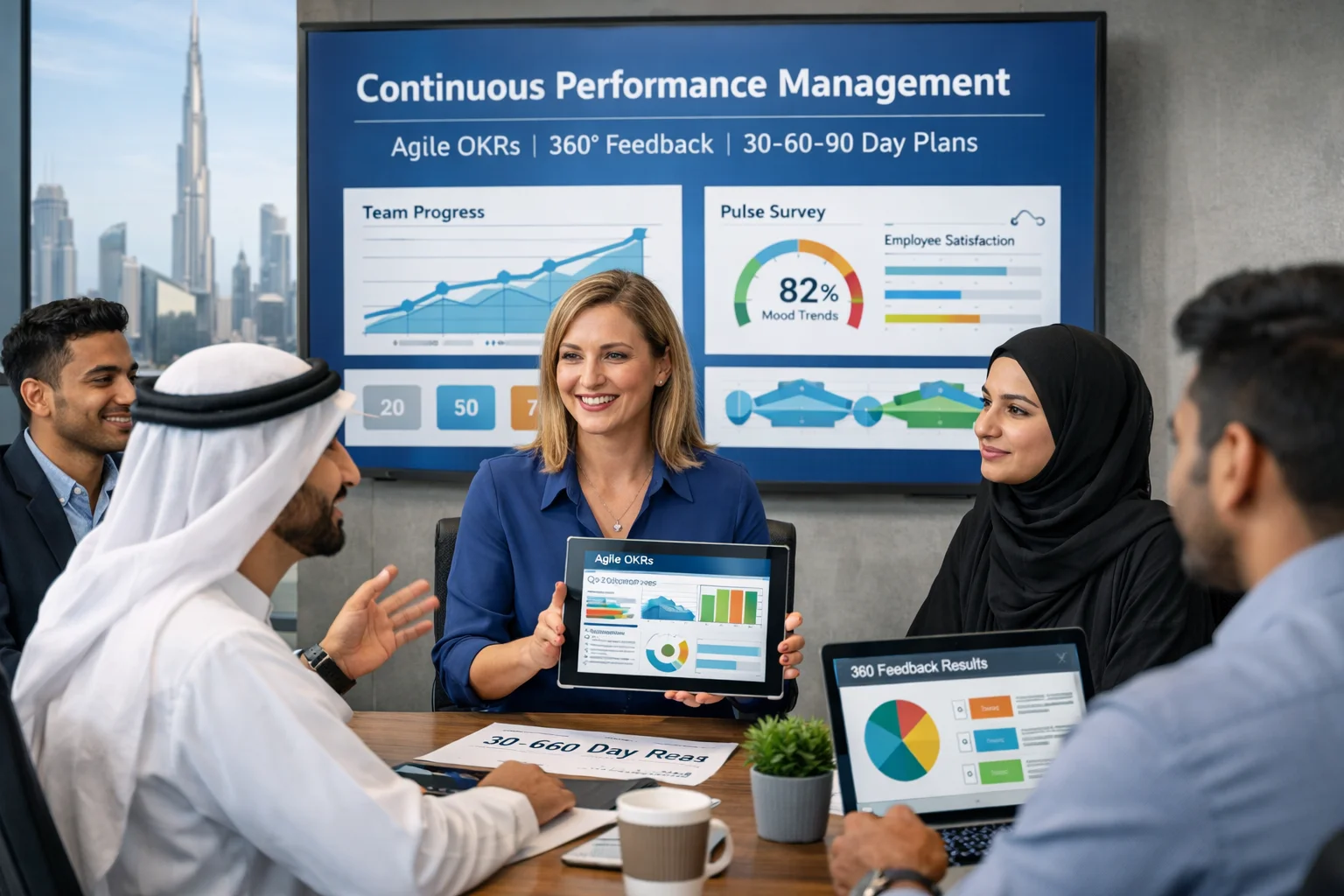
I also believe we have to change "what" we measure, specifically by aligning with the 2026 MOHRE Occupational Classification Scheme. In a modern UAE workplace, output is only half the story. To truly understand a team's health, we must measure behavioral markers and how people work based on their specific skill level. A high performing Level 1 Manager might write perfect reports, but if they do not mentor their team or support Emiratisation targets, their net value to the organization is diminished. By using data driven review cycles that combine quantitative KPIs with qualitative 360 degree feedback, I ensure our appraisals are fair, evidence based, and legally airtight.
Another critical element in the performance puzzle is the 30 60 90 day plan for new hires. In the UAE, where probation is strictly capped at six months, retention starts on Day One. By setting clear milestones that move a new employee from learning to contribution and finally to ownership, we reduce the anxiety of the first few months. Tracking these initial ninety days is critical because this is the window where an employee decides if they have made the right career choice. A structured onboarding process that includes regular check ins ensures that top talent stays engaged from the very beginning.
To keep remote and office teams connected in our increasingly hybrid UAE workforce, I insist that performance management embraces digital first communication. If even one person is remote, the entire meeting should be treated as digital. Using tools like mood tracking and frequent pulse surveys allows me to catch signs of burnout or unhappiness before they lead to an exit. Unlike annual surveys which are post mortems, pulse surveys act as regular check ups, giving a voice to employees who might otherwise feel disconnected.
Finally, I strive to build an environment that rewards smart failure and curiosity. When you create an environment of psychological safety, employees feel safe to take interpersonal risks, admit mistakes, and propose wild ideas without fear of punishment. This growth mindset is what fuels innovation in the Emirates. When skills are viewed as something to be developed rather than fixed traits, the performance appraisal shifts from being a judgment to being a tool for personal growth.
By moving to quarterly check ins and continuous feedback loops, we can eliminate the once a year appraisal panic. This approach ensures that our conversations are always about the future and what can be achieved next, rather than just rehashing the past. It turns managers into coaches and employees into owners of their own career paths.
I believe technology should empower human connection, not replace it. At Kiework, we design our HR platform to support the shift toward continuous, people centric performance within the UAE market. My focus is on reducing administrative friction so leaders can focus on what matters most: their people. Our platform features tools for Agile OKRs, 360 degree feedback, and automated 30 60 90 day plans that prioritize the candidate experience. By integrating behavioral markers, MOHRE skill level alignment, and pulse surveys into the daily workflow, we help organizations build a culture of accountability and high performance that is truly built for the future of work in the Middle East.